In the footsteps of Florence Nightingale: a personal reflection
As we commemorate International Nurses’ Day and Florence Nightingale’s birthday this week, we hear from Queen’s Nurse, Suzanne Turner, about a personal journey to trace Nightingale’s steps in Turkey.
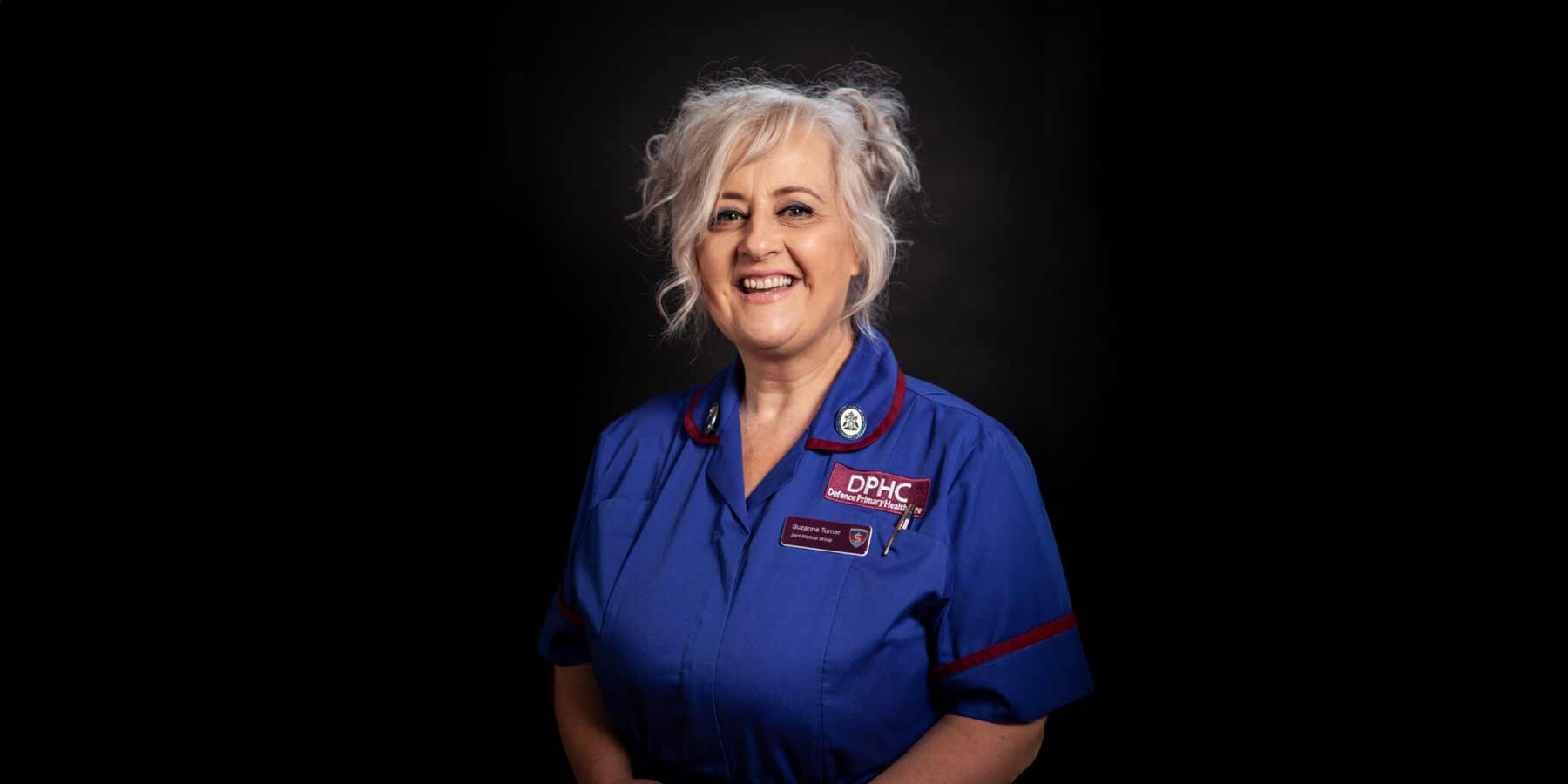
Twelve months ago, I was fortunate enough to attend the Florence Nightingale service at Westminster Abbey. Held annually around International Nurses’ Day — May 12, Florence’s birthday — the service left a lasting impression on me. As I stood there with three other Defence nurses, I remember thinking, “Wouldn’t it be amazing to visit the places associated with Florence Nightingale?” That fleeting thought planted a seed, and before long, my colleague and I were planning a trip to Istanbul, formerly Constantinople — the site of the iconic Scutari Hospital.
Scutari Hospital, originally a vast military barracks built in 1800 and rebuilt in stone after a fire, was where Florence Nightingale famously led her team of nurses during the Crimean War. These barracks, now known as Selimiye Barracks, are currently the headquarters of the 1st Army of the Turkish Land Forces — and gaining access to them was no easy task.
While my colleague arranged travel and accommodation, I took on the challenge of securing permission to visit the site. I contacted embassies, the Turkish tourist board, even posted on Tripadvisor — but nothing worked. Finally, I stumbled upon a website about the Crimean War and reached out to the author, a retired doctor with a passion for Nightingale’s legacy. Through him, we began a long process of approvals that involved sharing personal information and waiting over 45 days for a tentative confirmation. Even with approval, access was not guaranteed.
Eventually, everything fell into place, and our group of four Defence nurses — me from Scotland, two from North Yorkshire, and one from Cyprus — set off. We all met in Istanbul on a Friday afternoon, arriving within minutes of each other, which made the logistics much easier. The following two days were a sensory overload of vibrant colours, street sounds, and incredible food. We explored Istanbul’s most iconic sites — the Blue Mosque, the Grand Bazaar, a boat ride on the Bosphorus — but the purpose of our trip was always clear: Scutari.
On the morning of our return flight, we checked out early and made our way to the Haidar Pasha Cemetery, just a short walk from the Barracks. Gifted to the British Government in 1855, the cemetery holds the remains of around 6,000 individuals from the Crimean War, many of them in a mass grave. As we walked, we came across headstones for nurses, doctors, and surgeons who died of fever or wounds. One read, “Sophia Walford, Matron Barrack Hospital Scutari, entered into rest 30th Aug 1855, aged 56. She hath done what she could.” Another remembered Mary Marks, Nurse, died Oct 8 1855. It was incredibly humbling.
With emotions already high, we made our way to Selimiye Barracks. Despite having official permission, gaining entry was nerve-wracking. After several tense conversations with armed guards, a phone call to our Turkish contact helped move things along. We surrendered our phones and passports, passed through security, and waited nearly an hour for the final go-ahead. Just when we thought we might miss our window — and our flights — an officer finally arrived. We were in.
What followed was unforgettable. We walked through the parade square, immaculate and serene, and were led to the North Tower. As we climbed the stairs, I turned and looked into the restored wards — exactly as depicted in Jerry Barrett’s The Mission of Mercy, where Florence Nightingale receives the wounded at Scutari. It was a moment of profound connection.
We saw a small museum with items from the Turkish military’s past campaigns and then, in a quiet corner, Florence’s own quarters — her desk and some personal belongings. We took our time, absorbing the significance of where we stood. This was where she implemented reforms that would shape the very foundation of modern nursing.
Florence Nightingale wasn’t just a nurse — she was a scientist, a statistician, a reformer. She gathered data, identified root causes, and used evidence to drive change, much like today’s Quality Improvement methods. Her emphasis on handwashing and sanitation at Scutari cut mortality rates dramatically, proving that most deaths came not from battle wounds but from preventable diseases.
When she returned to England, Florence didn’t stop. She established the Nightingale Training School at St. Thomas’ Hospital in 1860, setting the standard for nursing education and care.
As I reflected on our visit — especially as we approached International Nurses Day and commemoration of VE Day — I can’t help but feel the deep poignancy of our journey. As a Defence nurse, walking the same corridors where Florence once worked and visiting the graves of those who served alongside her was nothing short of profound.
Is Florence Nightingale still relevant in modern nursing? Absolutely. Her legacy is not just in history books — it lives in every patient-centred practice, every data-informed decision, and every compassionate act of care. And for me, walking in her footsteps was a reminder of why we do what we do.
You might also like…

Shetland visit celebrates and supports community nursing