Skip to Content

We use cookies to enhance your browsing experience, serve personalised ads or content, and analyse our traffic. By clicking "Accept", you consent to our use of cookies. Cookie Policy

Supporting and developing Scotland’s community nurses and midwives
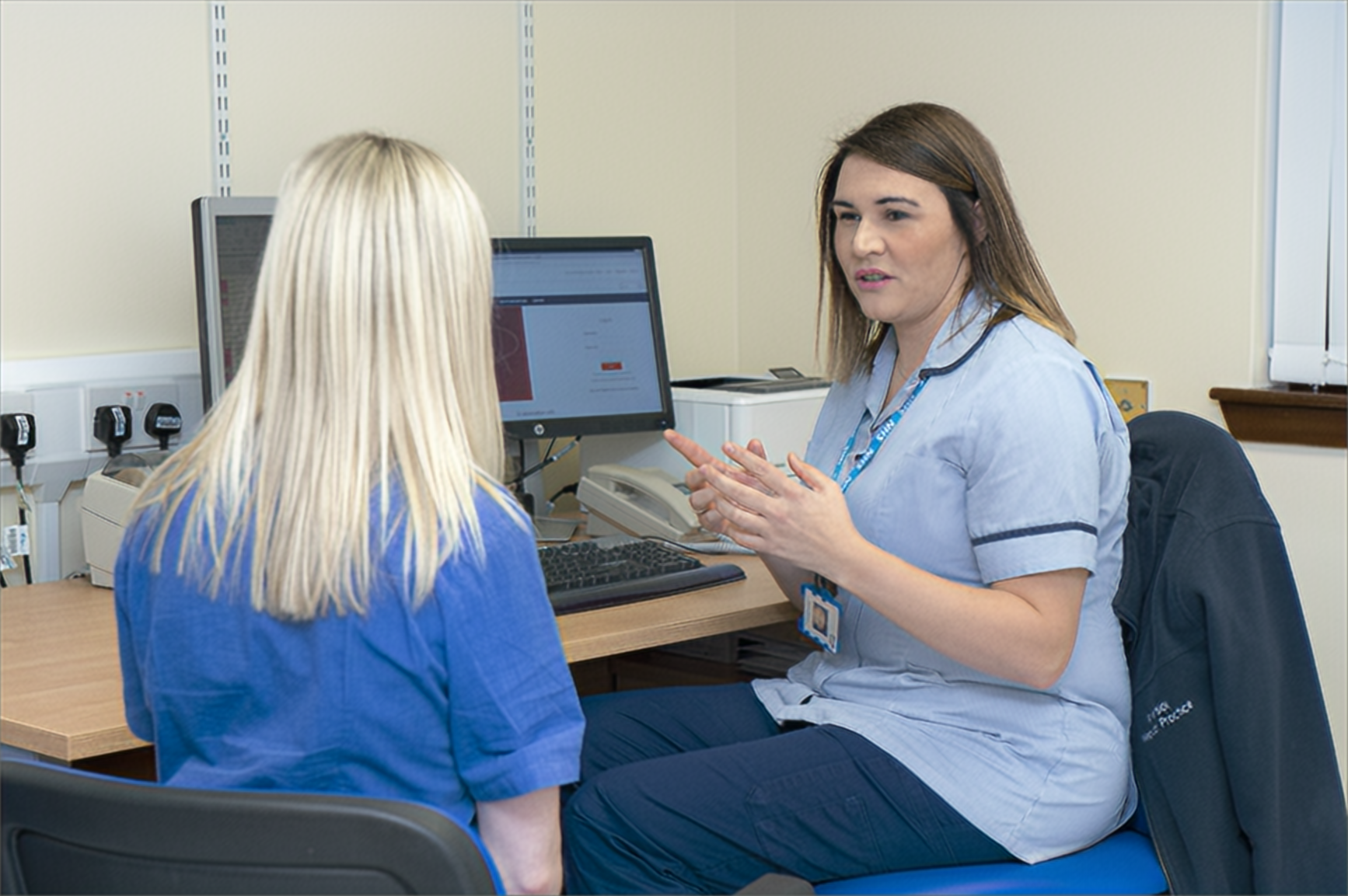
A healthcare worker in a clinical setting speaks with another person seated across from them. Both are wearing blue uniforms, one has long brown hair, the other has long blonde hair, and a computer is visible on the desk between them.
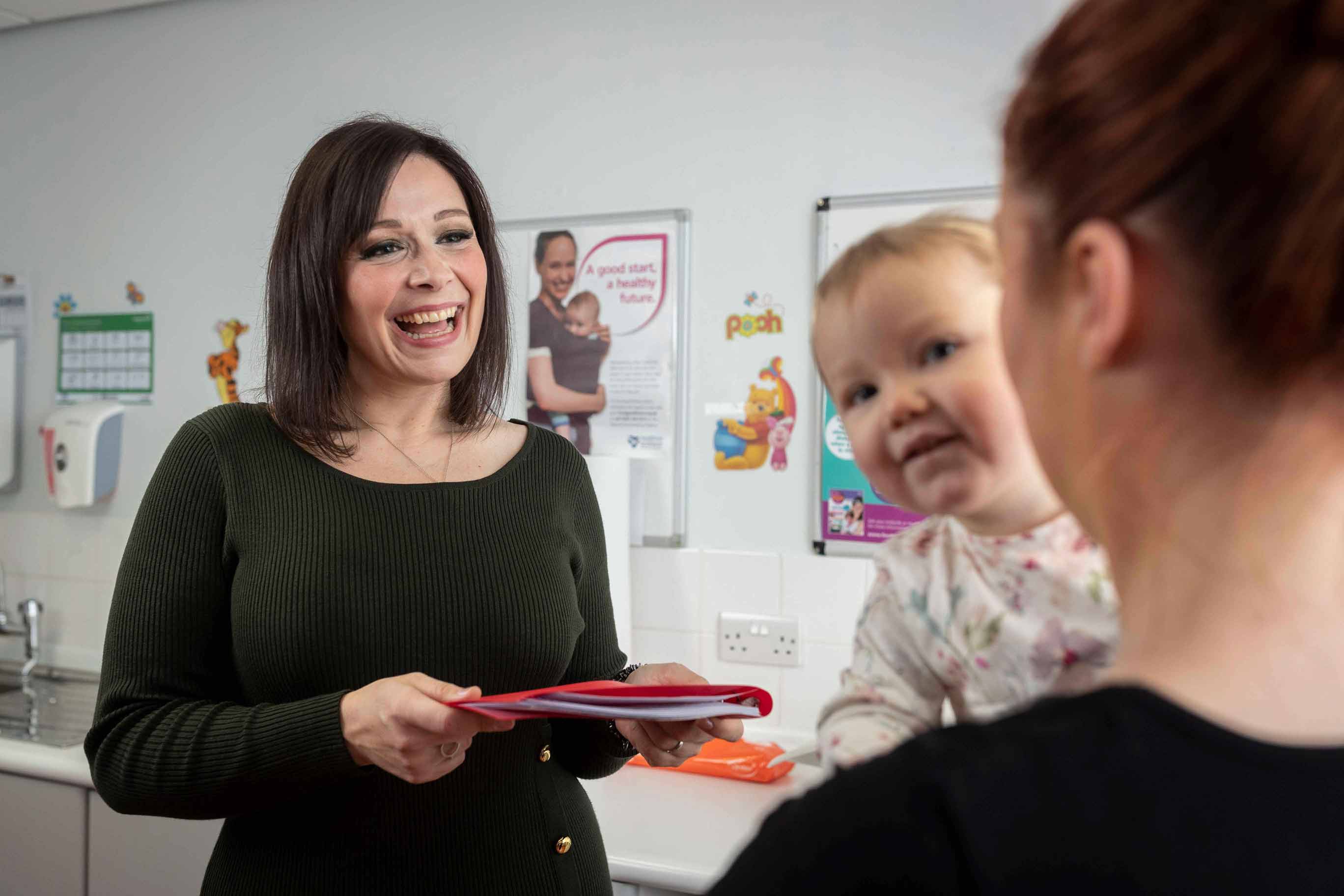
A smiling person with short dark hair, wearing a black round neck long-sleeved top and holding a red folder. They are talking to another person who has their back to the camera. They are holding a baby. In the background is a clinical office setting with a sink, soap holder and posters on the wall.
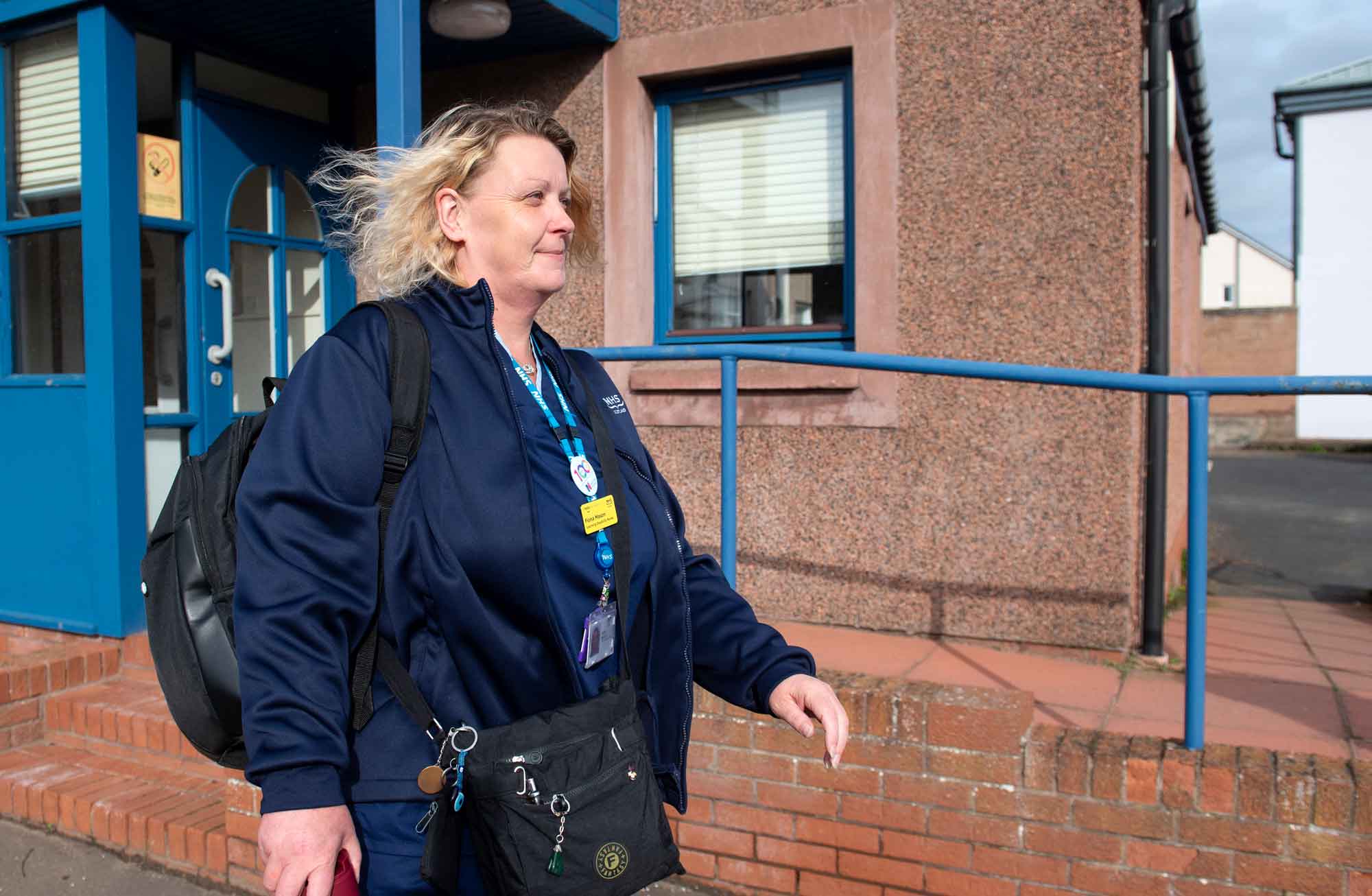
A person with wavy light-coloured hair walking outside a building in the sun. They wear a dark blue jacket with a lanyard visible that has several badges attached. They carry two black bags, a rucksack on one shoulder and a small bag across the front of their body, and a red flask. In the background a brick building with blue-framed window and doors and a brick disability ramp.

QNIS is a charity that provides a range of high-quality professional development opportunities for Scotland’s community nurses and midwives, encouraging them to tackle health and care inequalities in collaboration with the people they care for.
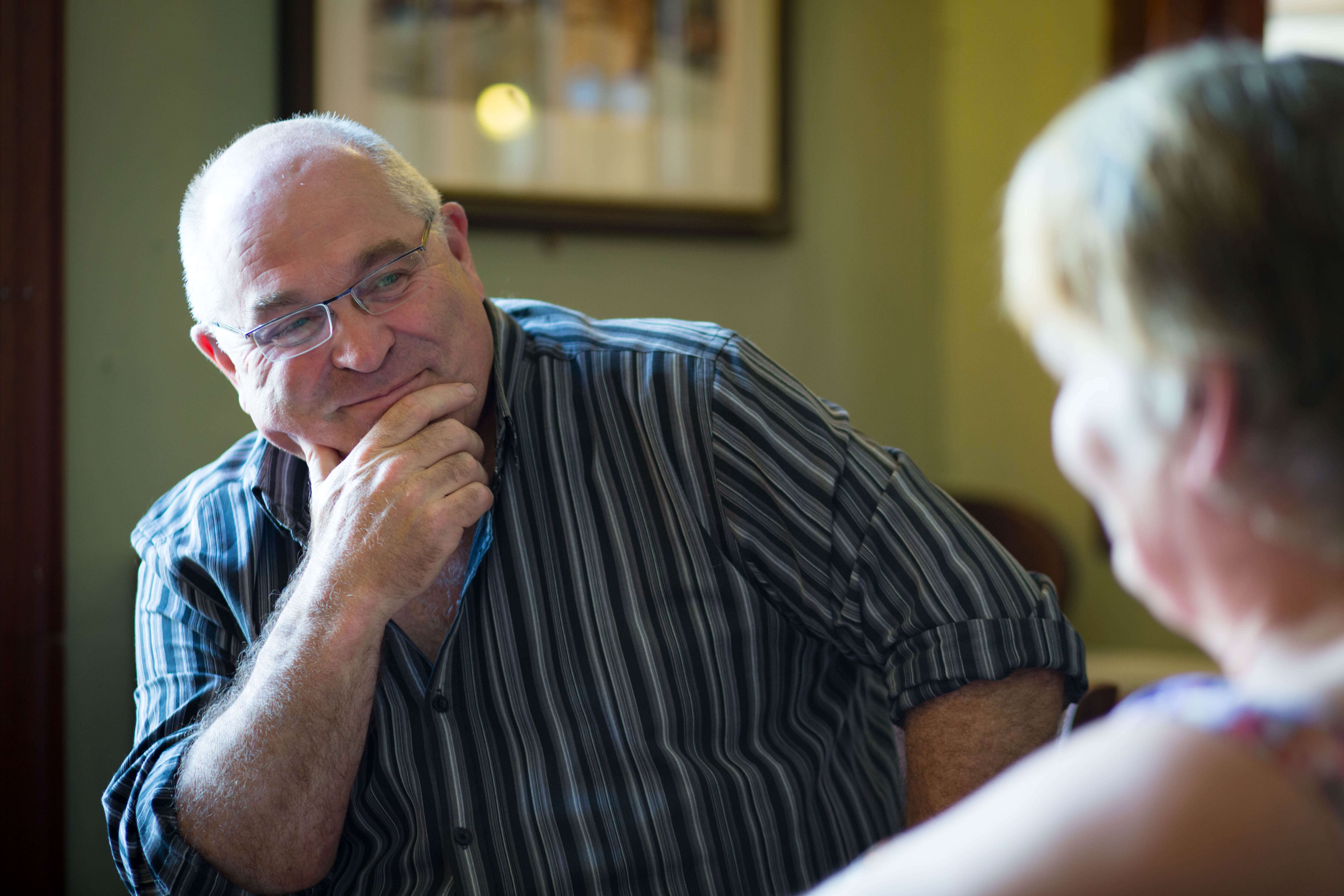
A person wearing glasses and a striped shirt sits indoors, smiling thoughtfully with a hand resting on their chin, engaged in conversation with another person who is out of focus in the foreground. The background is softly lit, featuring a framed picture on the wall.

Relational care

Relational approaches to care help practitioners understand their own and others’ emotional experiences - patients, colleagues, managers, and organisations - in a clinically focused, accessible way.

Read about relational care

Community careers

Community nursing and midwifery can be broadly described as any nursing or midwifery care provided outside of an acute hospital setting. This includes healthcare provided in a person’s own home, GP surgeries, community hospitals, the custody suites of police stations, schools, prisons, or care homes.

Discover careers

A nurse wearing a blue uniform and a white plastic apron stands beside an open car boot on a rural roadside, with water and grass visible in the background.
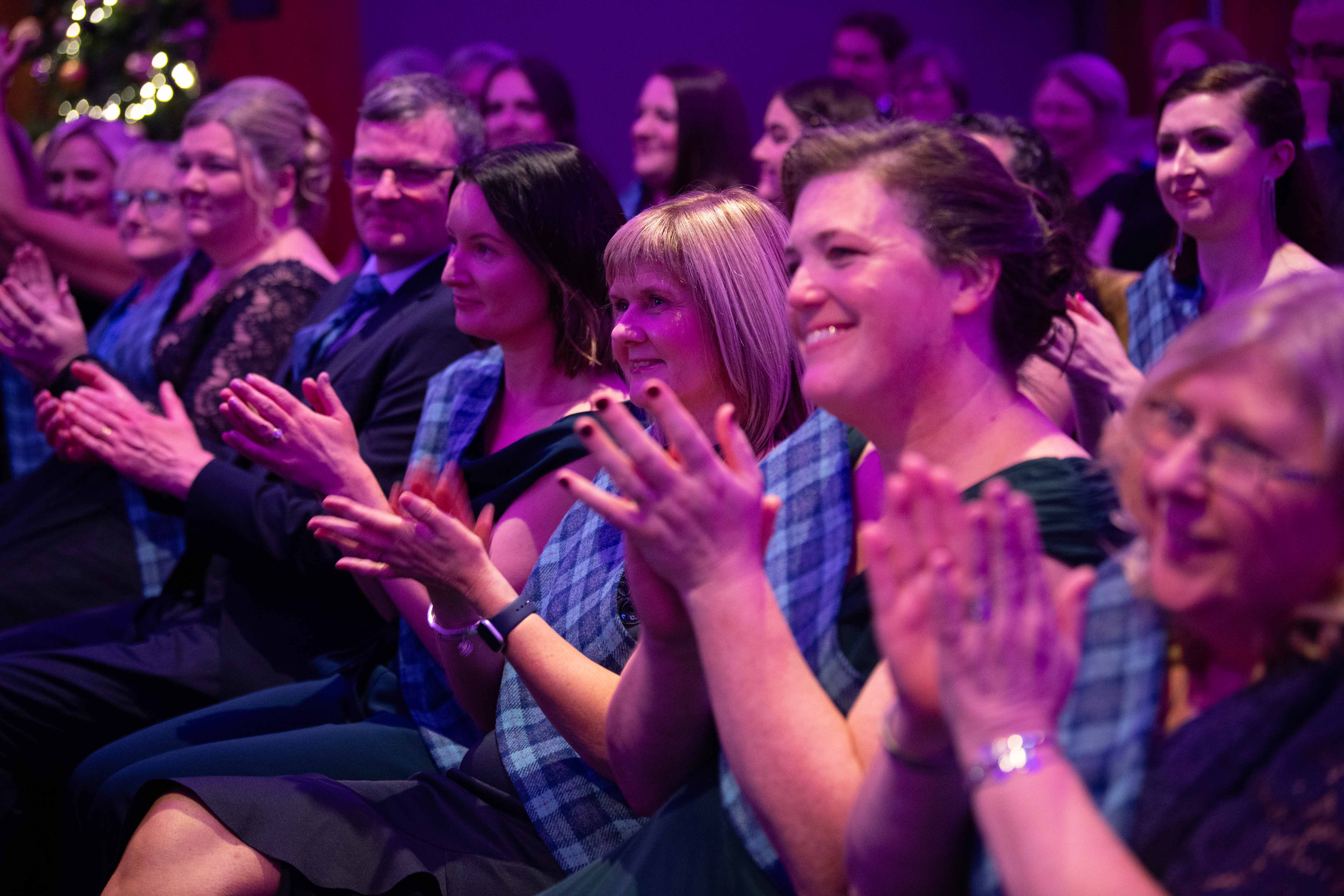
A group of people seated in rows, clapping and smiling. Some individuals are wearing tartan sashes over dark clothing. The lighting is purple and festive, and the atmosphere appears celebratory.

Queen's Nurse title

Queen’s Nursing in Scotland dates back to the late 19th century when our charity was first established. QNIS provided training for community nurses for many decades until the 1960s, when the NHS took over. But in 2017, we decided to reintroduce the Queen’s Nurse title to Scotland.

About the Queen's Nurse title

News & Updates

Front view of a large, ornate stone palace with tall columns and an arched central entrance, set against a partly cloudy sky. A wide gravel courtyard stretches across the foreground, where a single person stands off to the right taking a photo.

Royal reception to mark a special centenary

22 April 2026

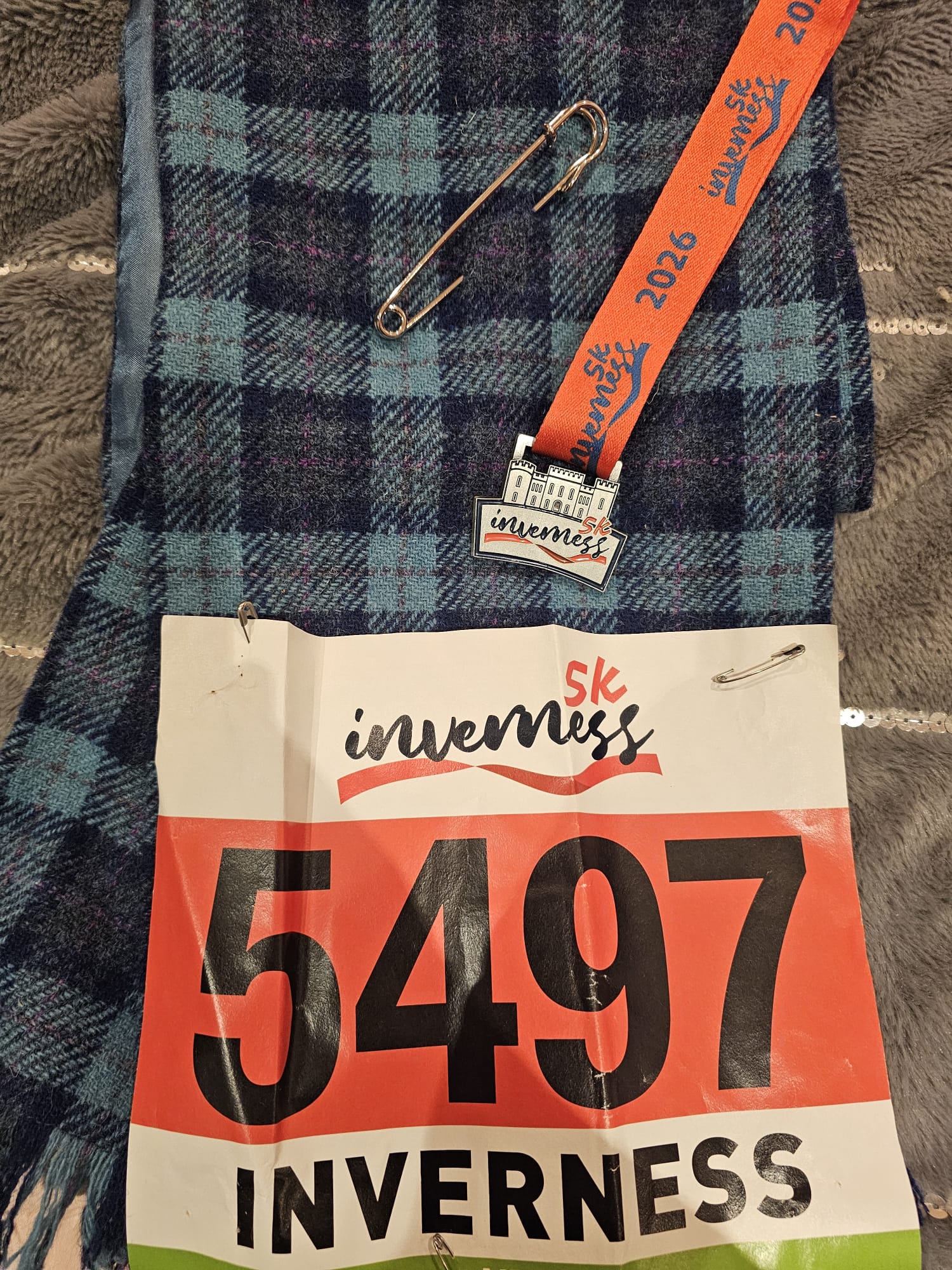
The image shows a runner's bib displaying the number 5497 which is placed on top of a tartan sash

Queen’s Nurses running for QNIS

19 March 2026

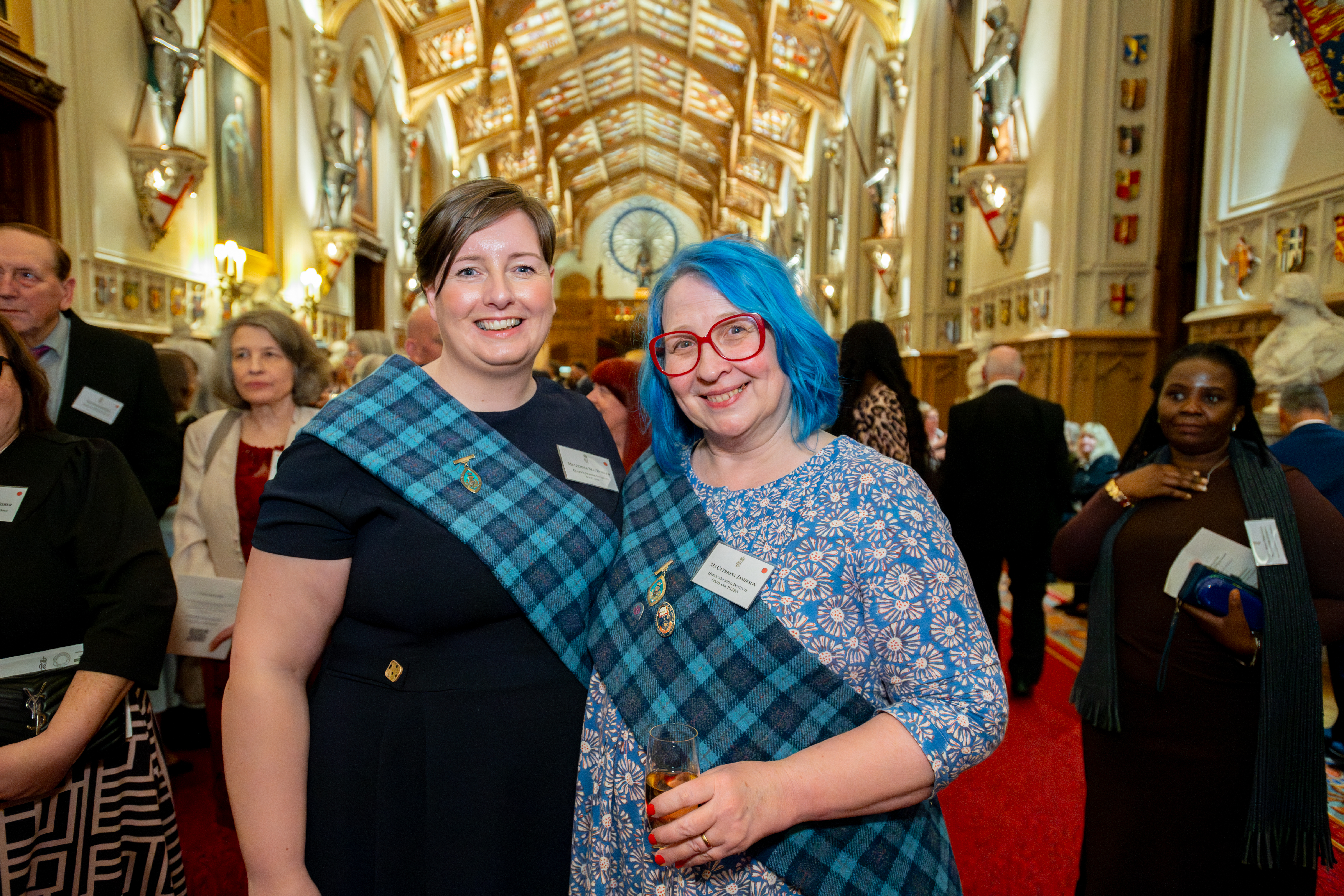
Two people wearing tartan sashes are smiling at the camera. The person on the right has blue hair, is wearing red glasses and is holding a glass in one hand.They are in a formal setting.

QNIS invited to a celebration of carers at Windsor Castle

20 February 2026

View all

Established in 1889 to train District Nurses in Scotland, our founders had a vision for promoting health, to enable those living in poverty to access care, to live well, and to die with dignity

Our history

Stay in touch

Stay inspired with our latest stories, news, and events delivered straight to your inbox.

Sign-up